Panel Beater Darwin: DIY Vs Professional Dent Repair Compared
A small dent can look like an easy weekend fix. Suction cups, glue pullers and other DIY kits are widely available, and for a shallow dent with intact paint, the temptation to try one before booking a repair is understandable.
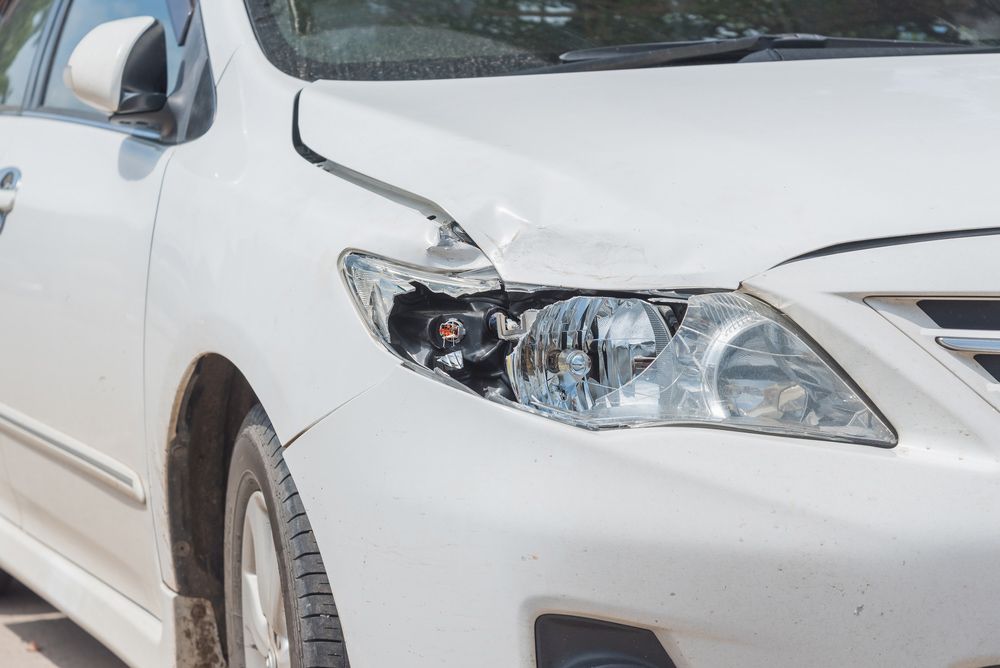
The problem is that dents are not all the same. A panel may be stretched, sharply creased or damaged along a body line even when the affected area looks minor from a distance. Paint can also crack as the metal moves, turning a cosmetic problem into a repair that needs refinishing.
For Darwin drivers deciding between a car dent repair kit and professional panel beating, the right choice depends on the shape of the dent, the condition of the paint and whether the panel has suffered deeper damage.
When Can a DIY Dent Repair Kit Work?
DIY dent pullers work by applying pressure or pulling force to the damaged panel in an attempt to return it closer to its original shape.
They may be worth considering for a very shallow dent where:
- The metal has not developed a sharp crease
- The paint remains completely intact
- The dent does not cross a body line or panel edge
- There is no sign of collision or structural damage
- The panel can move without excessive force
Even then, a DIY repair may improve the appearance without completely restoring the panel.
The main limitation is control. A suction or glue puller acts on the outside surface, but it does not give the user the same ability to reshape stretched metal from behind the panel or work a crease progressively.
If the dent resists gentle correction, repeatedly applying more force can make the panel harder to repair rather than easier.
Where Do DIY Dent Repairs Go Wrong?
A dent may involve more than a low spot in the metal.
When a panel takes an impact, the metal can stretch or form high spots around the damaged area. Simply pulling the centre outward may leave ripples, raised sections or an uneven reflection across the panel.
DIY attempts can also cause problems when:
- The paint has already cracked or chipped
- A glue puller affects weakened paint
- Too much force creates a high spot
- The dent sits along a sharp body line
- The panel has been repaired or repainted previously
- Heat is applied without controlling the panel and paint temperature
Once paintwork is damaged, the repair can involve preparation, colour matching and refinishing as well as reshaping the metal.
Drivers assessing the result themselves should also look beyond whether the dent has disappeared from one angle. Uneven gaps, rippling, mismatched paint and poor panel alignment can all be warning signs of poor smash repairs.
What Does a Professional Panel Beater Do Differently?
Professional panel beating involves assessing how the panel moved during the impact and then choosing a repair method that suits the damage.
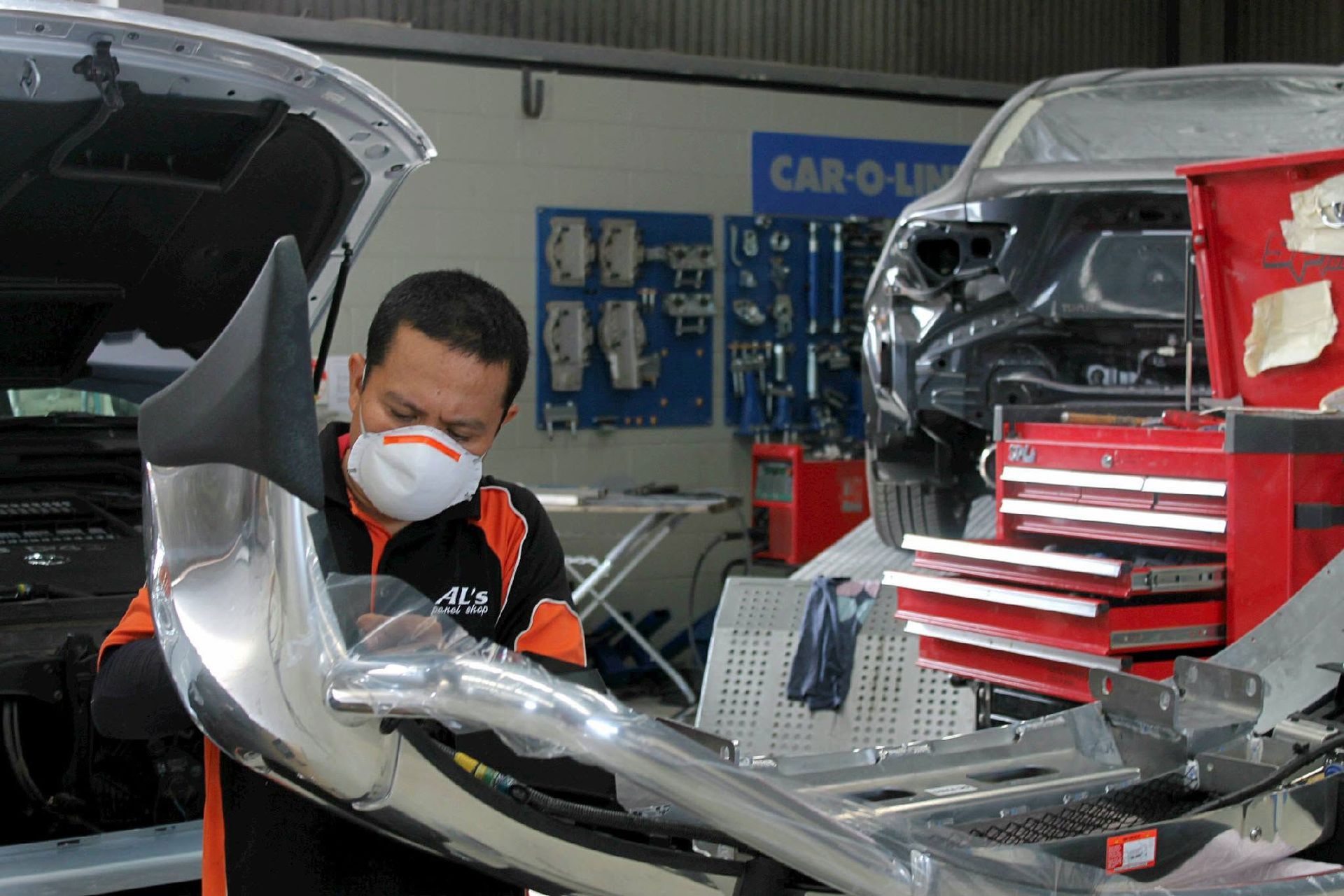
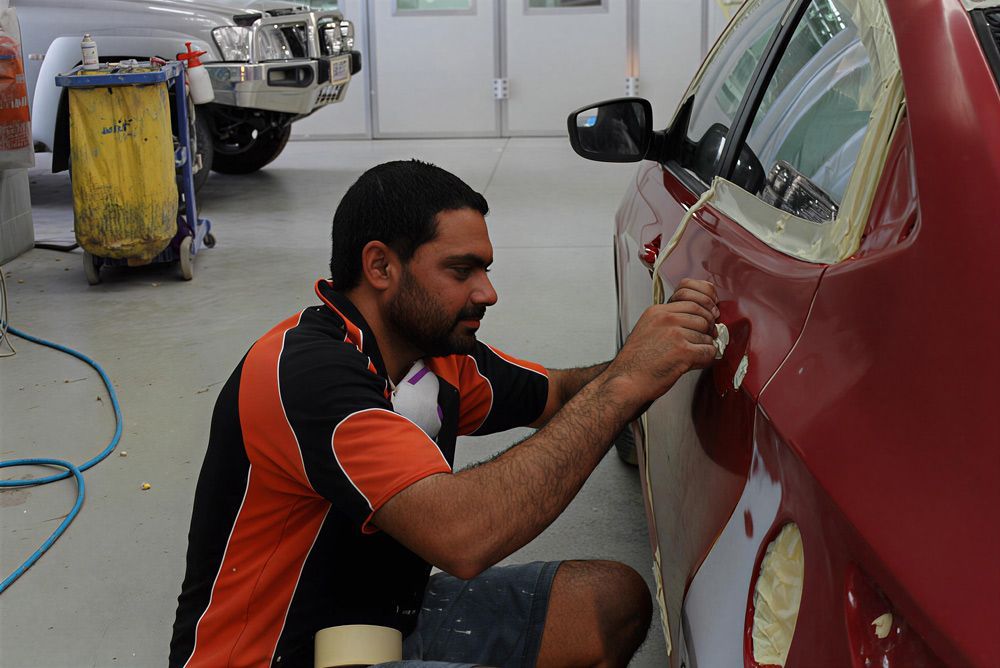
For suitable dents, a technician may reshape the panel using controlled pressure from both sides. Traditional hammer-and-dolly techniques allow the metal to be worked gradually, while modern dent-removal equipment can help restore suitable areas without simply pulling the centre of the dent outward.
Where the impact has caused more extensive damage, professional repair may also involve:
- Removing components to inspect behind the damaged panel
- Straightening or reshaping the panel
- Repairing or replacing damaged sections
- Checking panel alignment
- Sanding and preparing the repaired surface
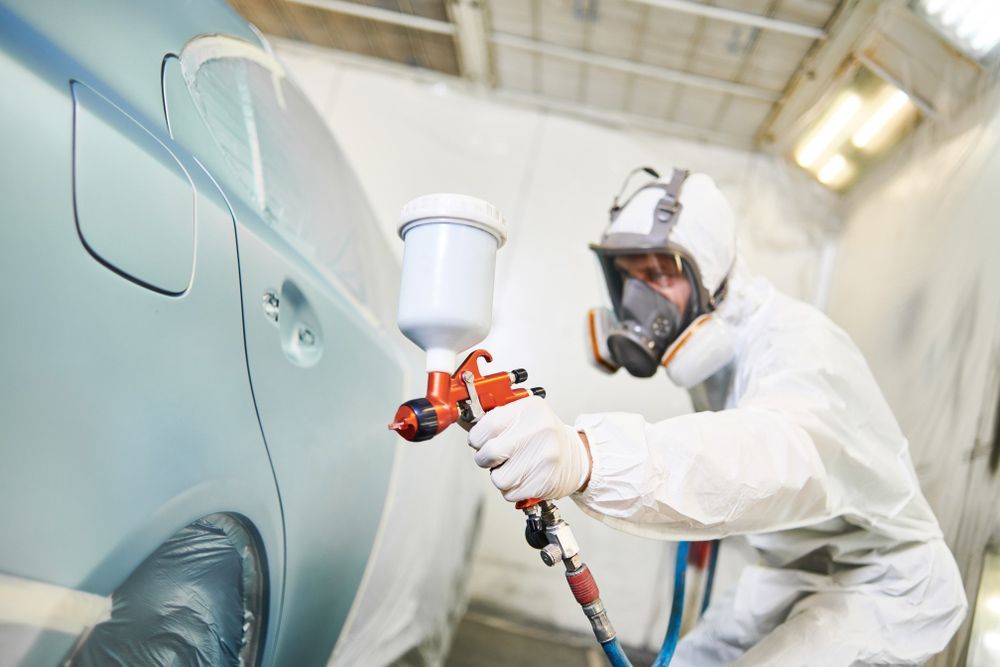
- Matching the vehicle's paint
- Refinishing the repaired area
- Checking for hidden collision damage
This is why a professional assessment matters when a dent came from anything more significant than a minor knock.
A
panel beater in Darwin can inspect the whole damaged area rather than judging the repair from the visible dent alone.
Does Darwin's Heat Affect DIY Dent Repair?
Darwin's climate adds another consideration when working on vehicle paint.
Sustained heat, strong UV exposure and normal weathering can leave older or already-weathered paint less tolerant of aggressive flexing, pulling or uncontrolled heating during a DIY repair.
That does not mean a hot Darwin day automatically makes every paint finish brittle. It does mean a finish that is already faded, cracked, peeling or previously repaired may react poorly if too much force or heat is applied.
DIY techniques that recommend additional heat should therefore be approached carefully. Excessive or poorly controlled temperatures can damage paintwork, while pulling on an already weakened finish can cause cracking or lifting.
If the paint around the dent already shows signs of deterioration, professional car dent repair in Darwin is the safer option before manipulating the panel further.
What About Paintless Dent Repair?
Paintless dent repair can be an option where the paint remains intact and the shape and position of the dent allow the metal to be carefully worked back.
It is not suitable for every dent.
Sharp creases, stretched metal, damaged paint, inaccessible areas and collision-related distortion may require conventional panel beating and refinishing instead.
This distinction is important when comparing professional paintless dent repair with a DIY puller. Both aim to reshape suitable dents without repainting, but professional PDR relies on controlled access, specialised tools and an assessment of how the panel has deformed.
The fact that a dent looks small does not necessarily mean a basic puller will achieve the same result.
How Much Does Car Dent Repair Cost?
There is no single car dent repair cost because two dents of similar size can require very different work.
The price can depend on:
- The size and depth of the dent
- Whether the metal has creased or stretched
- The location on the vehicle
- Whether the paint is damaged
- Access behind the panel
- Whether components need to be removed
- Whether repainting is required
- Any additional collision damage found during inspection
A shallow dent with intact paint may require much less work than a sharp crease that has cracked the finish.
This is also why an online estimate based only on dent diameter may not tell the full story. An in-person inspection allows the repairer to assess the panel, paint and surrounding damage before recommending a repair method.
DIY vs Professional Dent Repair: Which Should You Choose?
A DIY kit can make sense where the dent is genuinely minor, shallow and uncomplicated and the owner accepts that the result may not be perfect.
Professional repair becomes the stronger option where:
- The paint has cracked, chipped or lifted
- The dent has a sharp crease
- A body line is affected
- The metal appears stretched
- The panel sits out of alignment
- The damage resulted from a collision
- Previous DIY attempts have made the surface uneven
- You want the panel restored rather than simply made less noticeable
If you are searching for car dent repair near you because you are unsure which category your damage falls into, getting the vehicle inspected before buying tools can save you from turning a straightforward repair into a more involved one.
Why Proper Paint and Panel Repair Matter
The aim of professional dent repair is not simply to make the depression disappear.
The repaired panel should sit correctly, follow the vehicle's original contours and, where paintwork is required, blend with the surrounding finish as closely as possible.
Collision damage can also extend beyond the visible surface. Al's repair process, for example, involves stripping components where necessary to investigate the damage further before repairs continue.
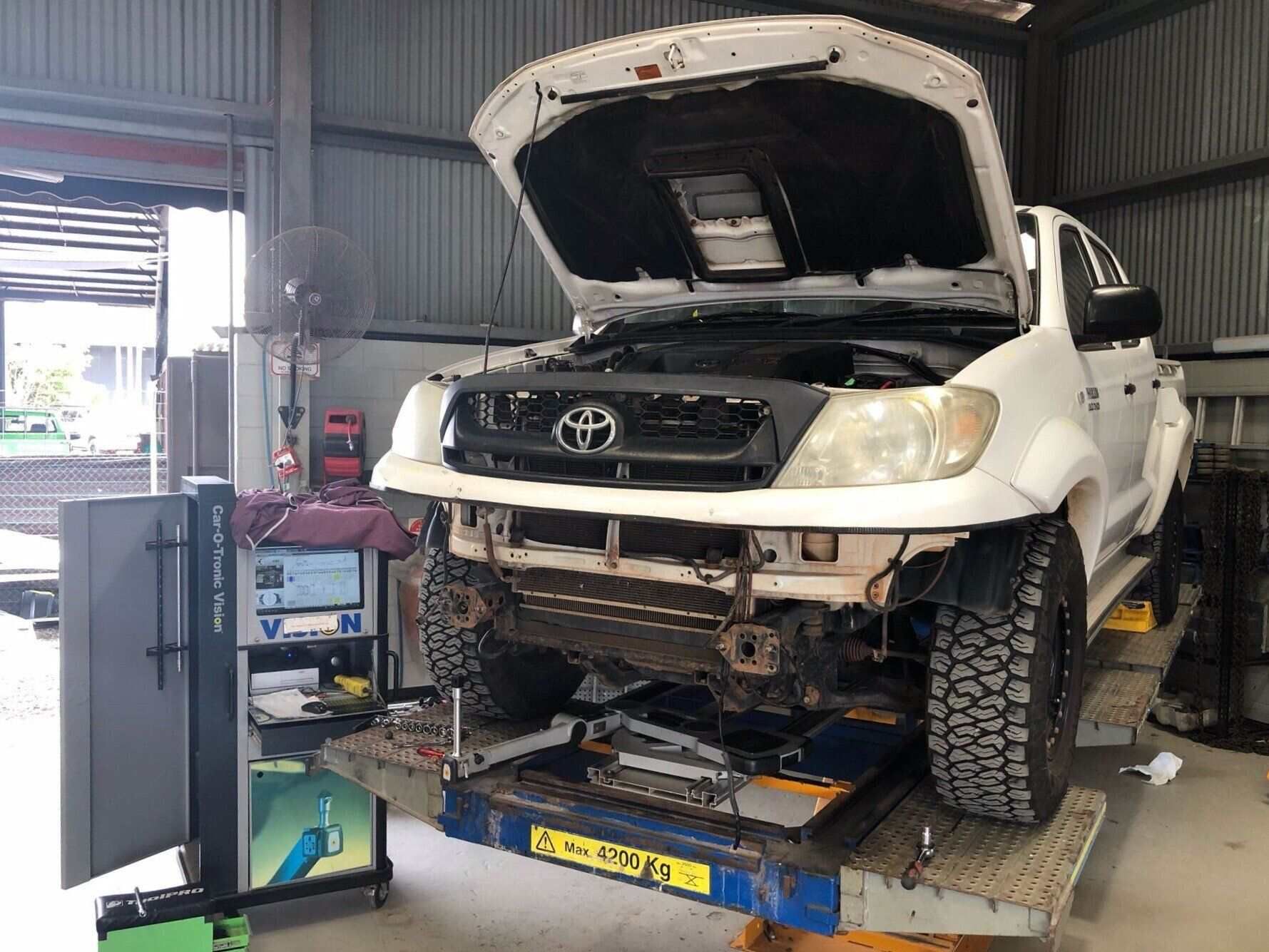
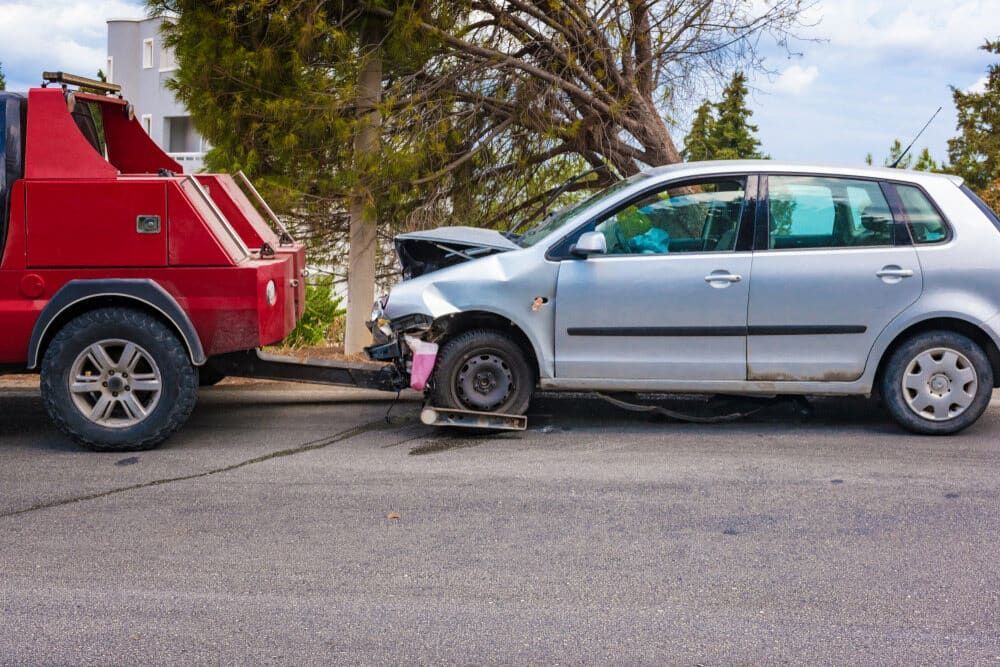
For drivers with accident-related damage, professional smash repairs in Darwin can therefore involve panel beating, chassis alignment, welding, paintwork and other repairs depending on what the inspection finds.
Know When to Put the Dent Puller Down
DIY dent repair has its place, particularly for minor cosmetic damage where the paint and panel remain in good condition. The difficulty is recognising when a dent has crossed the line from a simple pop-out to damage that needs professional reshaping or refinishing.
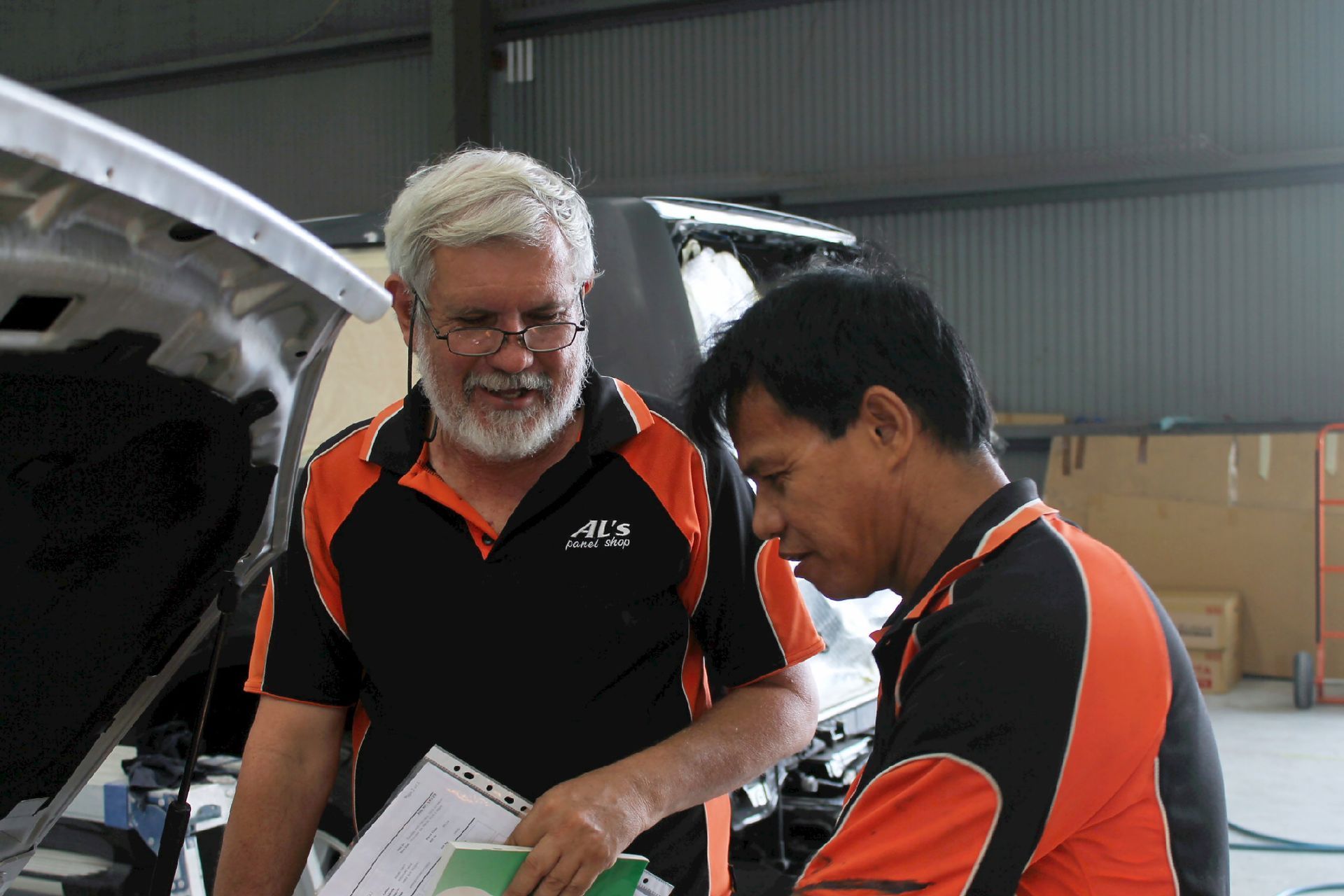
At Al's Panel Shop, we repair minor dents through to major collision damage from our Berrimah workshop. Our team uses modern repair equipment, panel-beating techniques and paint matching to restore damaged vehicles, with the repair method based on what the panel actually needs.
If you want to understand what happens after your vehicle reaches the workshop, read our repair process or contact Al's Panel Shop to arrange an assessment.
Frequently Asked Questions