Panel Beater Darwin: What Happens To Your Car After A Major Collision?
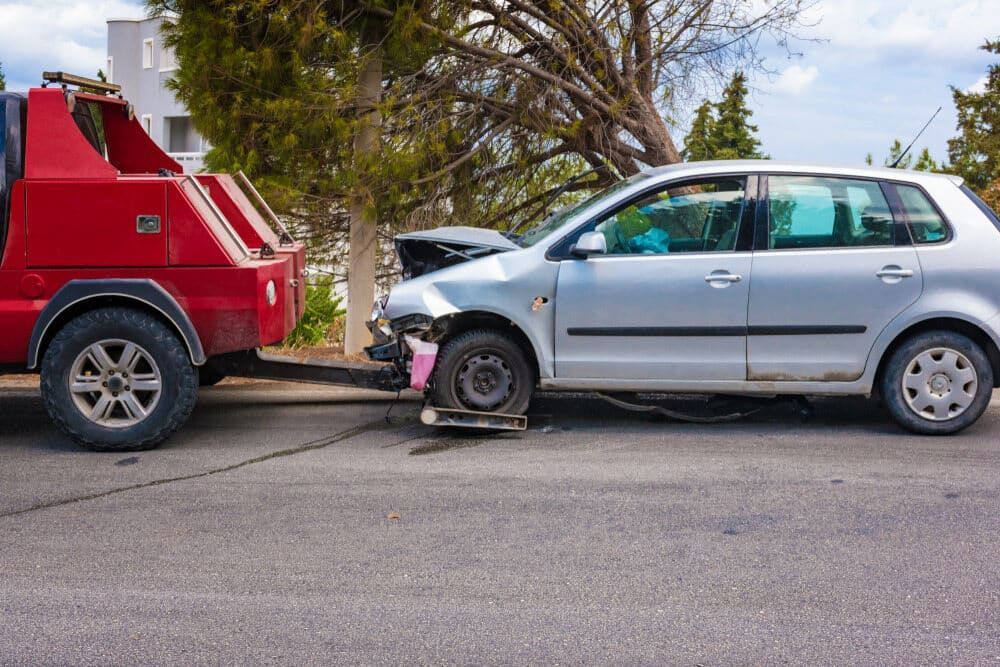
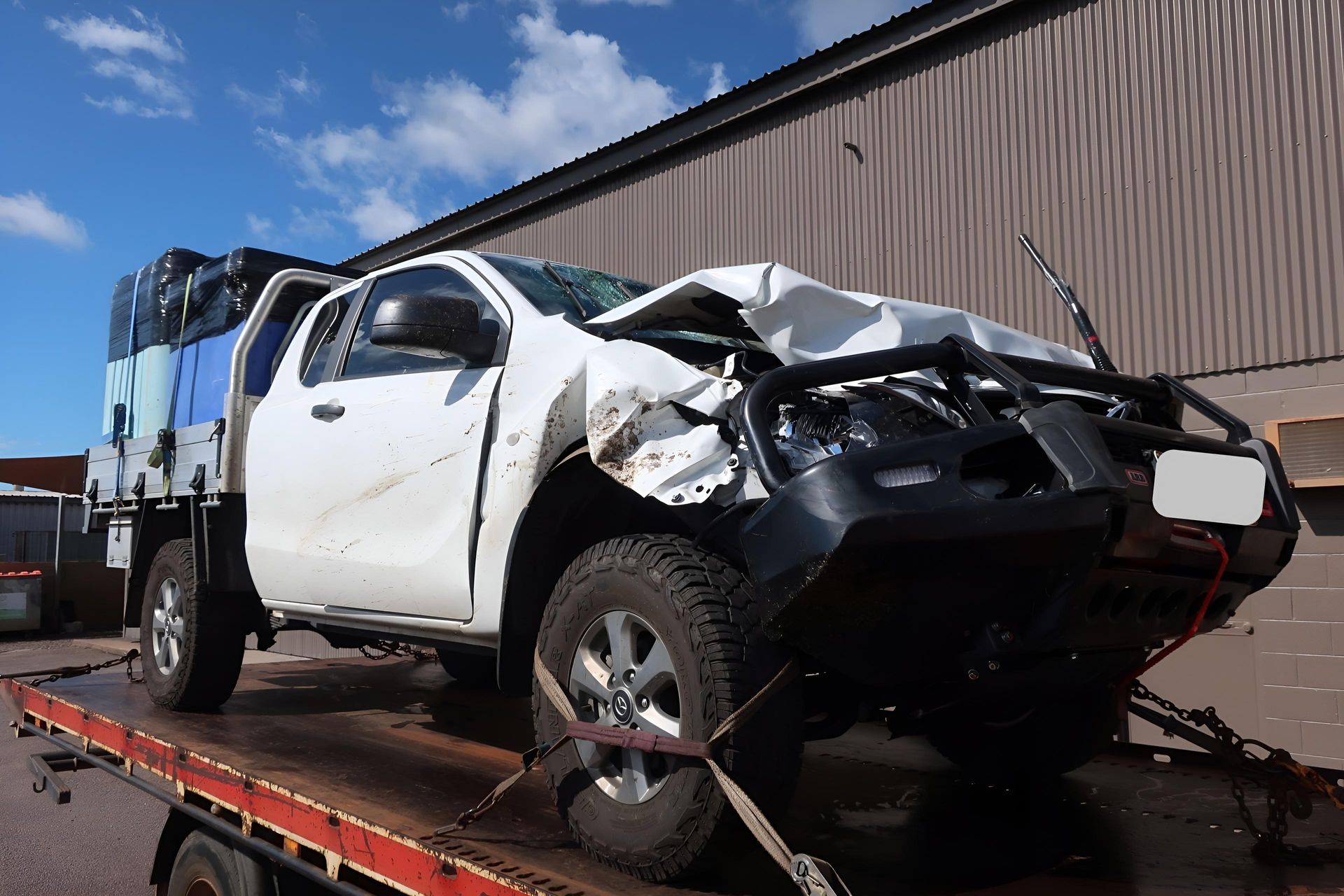
A major car accident can throw everything into disarray. Aside from the immediate shock, most people are left wondering what happens next—especially to their vehicle. After the tow truck hauls it away, the process behind the scenes often feels like a mystery. That’s where panel beaters step in.
If you’re in Darwin and your car has been in a collision, it’s important to understand the steps your vehicle goes through to get back on the road. From initial inspection and structural repairs to painting and post-repair care, each stage plays a crucial role. And with Darwin’s unique tropical climate, the repair approach also has to adapt to local conditions, such as high humidity, intense UV exposure, and coastal air.
Here’s a clear breakdown of what actually happens when your car is taken to a
panel beater after a serious crash.
Damage Assessment & Insurance Liaison
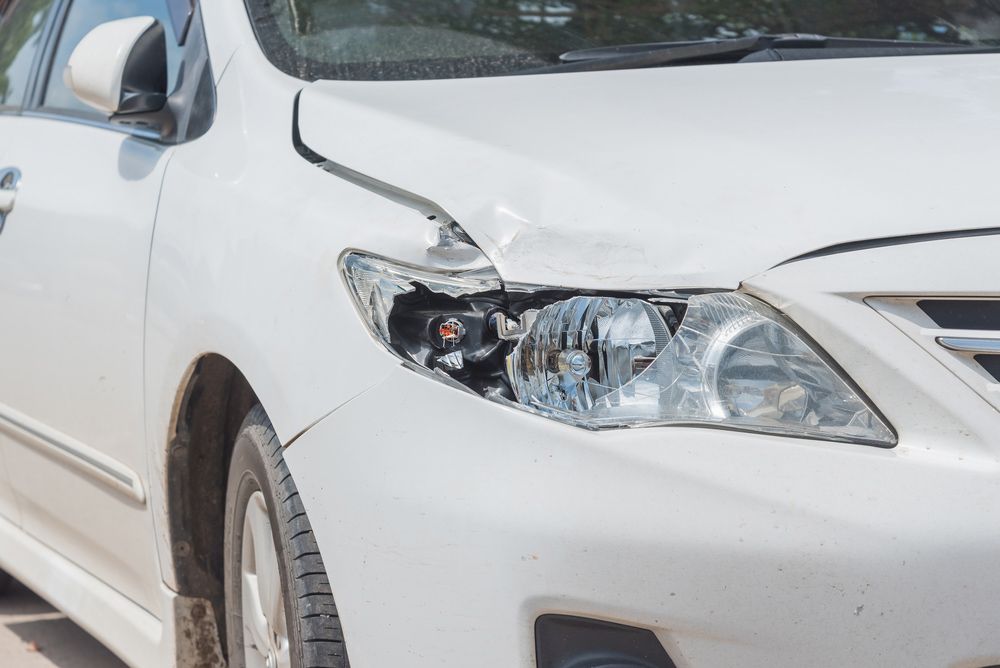
The first thing any reputable panel beater does is assess the full extent of the damage. This isn’t just a visual scan. It involves checking both the visible and hidden impact areas to identify all affected components—structural, mechanical and cosmetic.
- The chassis and subframe are inspected for twists or buckling
- High-strength steel components and weld points are checked for cracks
- Suspension, steering and underbody parts are examined
- Electrical systems like airbags and sensors are tested
- Photos and reports are submitted to your insurer for claim approval
This step ensures that all damage is identified as early as possible. In some cases, damage hidden beneath panels or paint may only be discovered during this inspection, making it critical to the process.
Booking, Drop-Off & Pre-Repair Prep
Once your insurance company gives the green light, the vehicle is booked in for repair. If the panel beater offers courtesy cars, this is usually arranged at this point. You’ll also receive a timeline indicating the expected duration of the job.
Before actual repairs begin, the workshop team will:
- Document pre-existing marks or dents to avoid disputes
- Remove affected panels and trims for better access
- Order necessary replacement parts—especially important in Darwin, where freight times can affect availability
- Set up a work area suitable for the job, factoring in environmental controls to deal with local humidity and heat
- Prep the surface for body or framework, including sanding or disassembling key components
Structural & Chassis Repairs
Structural repair is one of the most important stages following a collision. If the vehicle’s frame or subframe is out of alignment, it can affect how the car drives, wears tyres or even deploys airbags in future incidents.
During this phase:
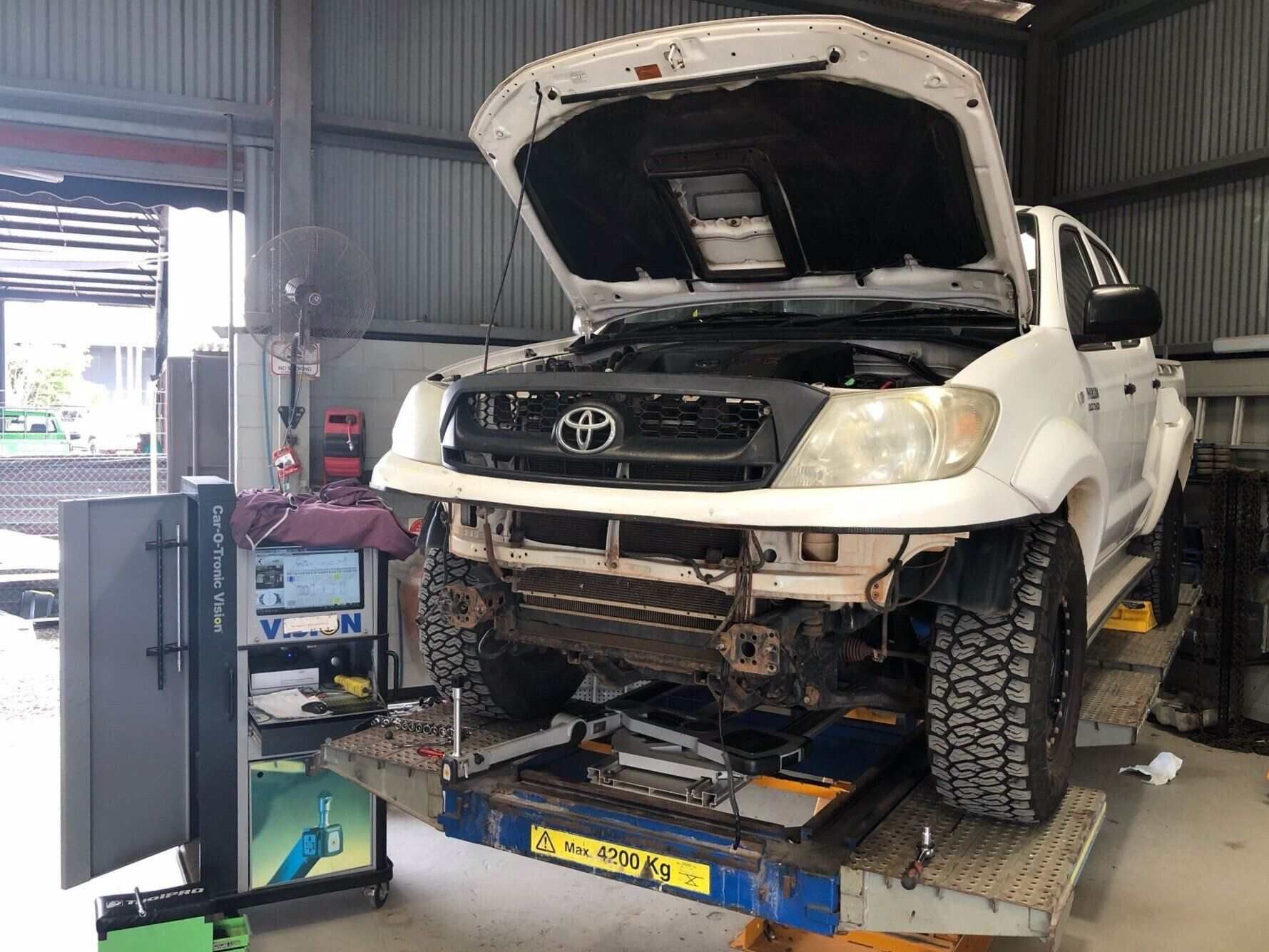
- Computerised frame-straightening systems are used to bring the chassis back to factory specs
- Welding is done using approved techniques and materials for high-strength steel or aluminium
- Mounting points for suspension, engine and steering components are tested for alignment
- Suspension arms, subframes or bushings are repaired or replaced as needed
- Any mechanical damage caused by the crash is also addressed here
In Darwin’s road conditions—ranging from paved city routes to more rugged or uneven terrain—getting this stage right ensures your car handles properly and safely when back on the road.
Panel Replacement, Dent Removal & Component Fitting
Once the vehicle’s structural integrity is restored, the focus turns to restoring its body and external parts. This includes replacing damaged panels, smoothing out dents, and fitting new components.
Tasks typically include:
- Removing and replacing outer panels like bonnets, guards or doors
- Repairing minor dents using specialised tools and filler
- Aligning doors, bumpers and trims to ensure they close and sit evenly
- Fitting new lights, grilles, sensors or accessories
- Reinstalling internal components like airbags, modules or wiring harnesses
Paint Matching & Finish in a Tropical Climate
The paint stage is where the car starts looking whole again—but matching colour, texture and durability isn’t just cosmetic. In Darwin’s climate, proper paint prep and curing are essential to prevent fading or corrosion.
Key factors in this stage:
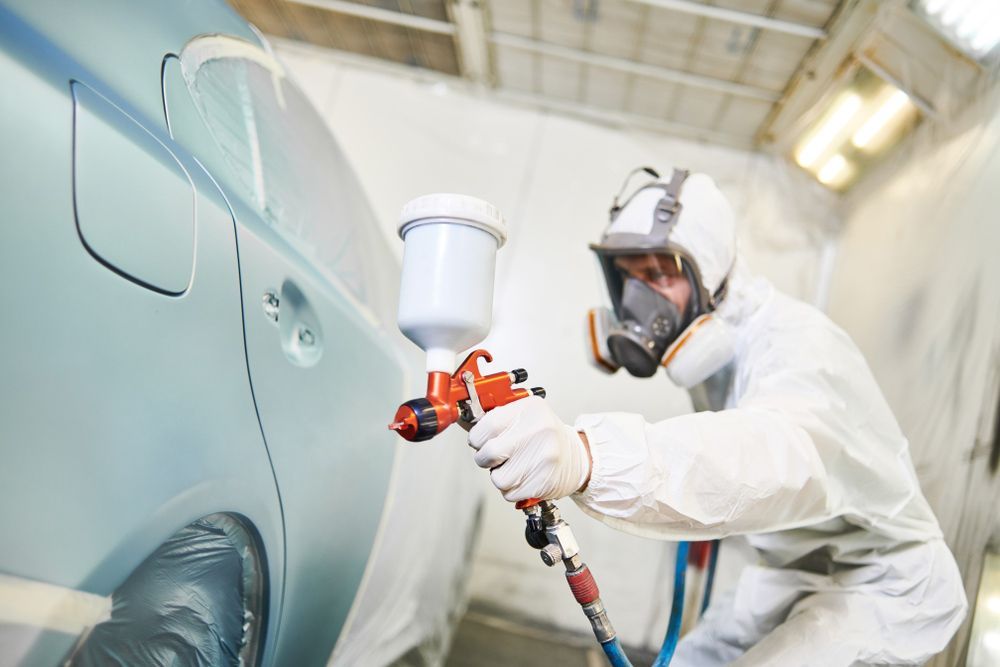
- Existing paint is scanned and colour-matched using spectrophotometer tools
- Primer and base coats are applied in humidity-controlled spray booths
- UV-stable clear coats are used to protect against Darwin’s intense sunlight
- Paint is cured under controlled conditions to avoid moisture issues
- Once dry, the surface is polished and checked for imperfections
Using high-grade materials helps resist fading, cracking and salt-air exposure—critical for local vehicles that are parked outdoors year-round.
Quality Checks, Re-Assembly & Final Inspection
After the paintwork is complete, everything is reassembled. Then the workshop performs a full quality check to ensure everything looks and functions exactly as it should.
This includes:
- Reinstalling all trims, badges and interior parts removed during repairs
- Checking gaps between panels to ensure consistent fitment
- Testing headlights, parking sensors, wipers and electronics
- Road-testing the vehicle to check handling, noises and overall performance
- Reviewing the repairs against the original estimate and job scope
Post-Repair Advice & Maintenance in a Darwin Setting
Once the car’s back in your hands, there are a few things to monitor—especially given the unique environmental factors in the Top End.
Things to watch for:
- Signs of rust around repaired areas, especially after wet season rain
- Paint clarity and texture after a few days of sun exposure
- Panel alignment, if you notice wind noise or water leaks
- Unusual vibrations or tyre wear that may suggest unresolved suspension issues
- Water ingress during heavy downpours, particularly in sealed or welded sections
Why Choosing a Specialist Panel Beater Matters in Darwin
Not every panel beater is equipped for the environmental demands of the NT. Working with a local workshop that understands these factors can make a big difference to repair quality and longevity.
Why local expertise matters:
- They know how to prepare and seal repairs for high humidity and rainfall
- UV protection and paint durability are built into the job
- They’re familiar with sourcing parts and navigating regional freight logistics
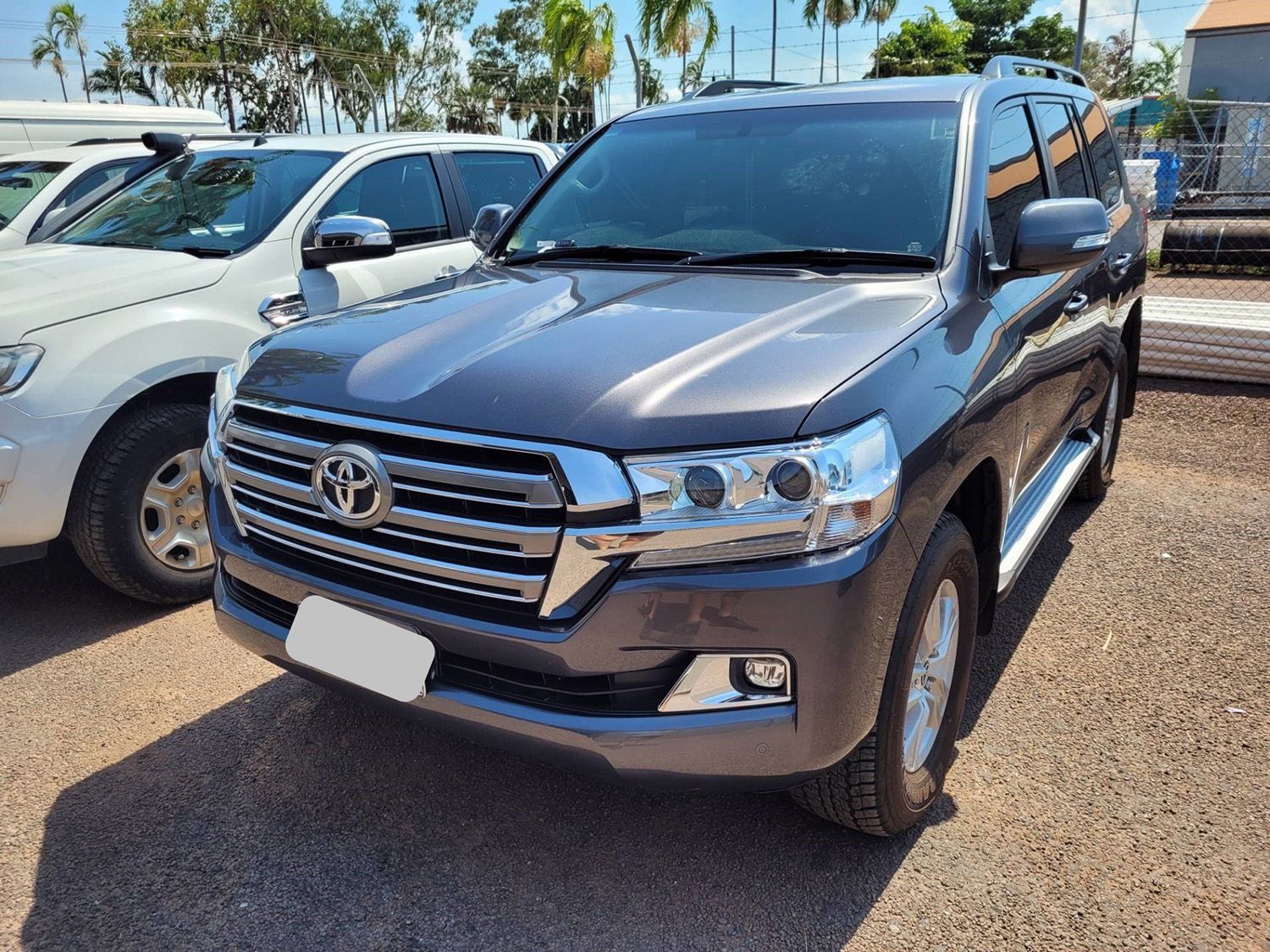
- They understand the needs of 4WDs, utes and vehicles used in rural or coastal conditions
- They offer better post-repair support and warranty follow-up if needed
Need Panel Beater Services in Darwin?
At
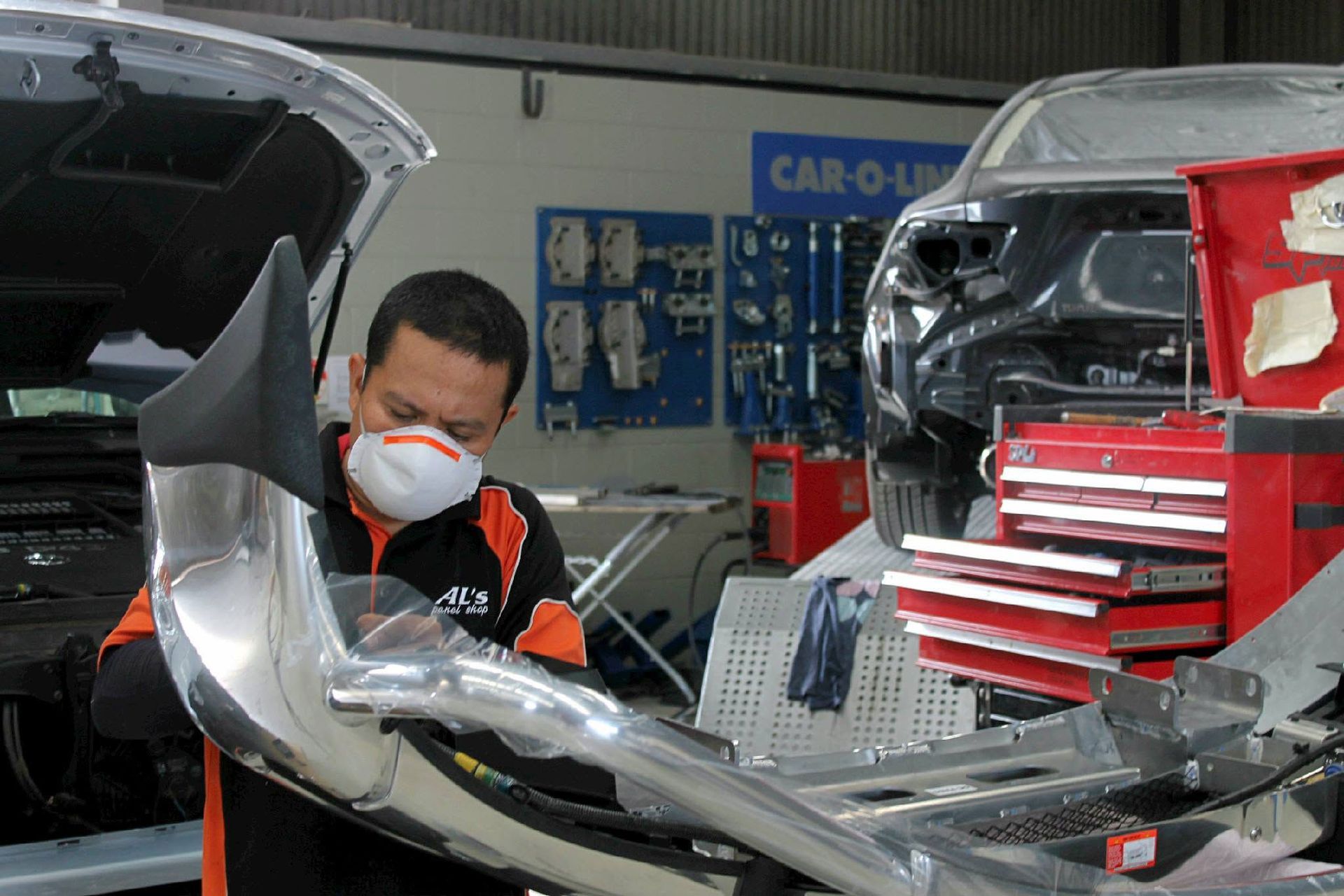
Al’s Panel Shop, we specialise in restoring vehicles after serious accidents. Whether your car needs structural alignment, full panel replacement or a flawless paint finish, we’re here to help. We understand Darwin’s unique climate and how it affects repairs—so you get work that lasts.
Contact us to learn more or schedule a consultation today.